Zugzwang
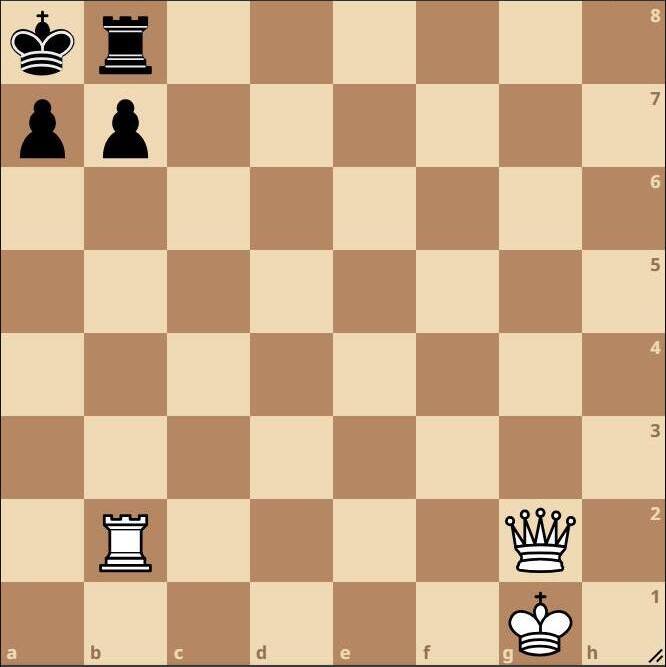 White plays Rb6. Now what?
Token costs for the same level of performance have dropped a couple hundred times in the past couple of years.
This doesn’t matter.
In a workplace, if someone asks whether your AI workflow is expensive, you’ve already lost. You’re in zugzwang - any move makes things worse.
The Hydra Problem
You could explain that token costs have cratered. But now you’re in a conversation about cost trends, and they’ll find a new angle.
You could explain that the outer loop - shipping software faster - dwarfs the inner loop of daily token spend. But now you’re defending your productivity, and that’s a minefield.
You could explain that the business of software is about amortizing costs across iteration speed, opportunity cost, time-to-market. But now you sound like you’re lecturing, and they’ll push back harder.
Every response grows more heads.
The Real Calculation
The question “isn’t that expensive?” treats token spend as a cost centre to be minimised. But if you’re on a team that’s supposed to be exploring what people will be doing soon, the calculation is different.
The cost of not finding the better workflow is invisible. The cost of tokens shows up on a dashboard.
Visible costs get scrutinised. Invisible costs don’t. This is the root of the innovator’s dilemma, playing out in miniature every time someone questions your tooling.
The Correct Posture
The zugzwang only applies at the peer level - where dashboards dominate and debates grow heads.
The correct move is to reject the framing while taking the problem seriously. Costs matter - but which costs? Leadership has broader concerns. They’re not tied to this week’s token spend. They can see that iteration speed and capability discovery matter more than line-item costs.
This is Seeing Like a State in miniature. The dashboard makes certain costs legible and others invisible. Your job is to make the invisible costs visible to people who can act on them.
At the peer level: stay courteous, stay concrete, don’t pick up the invitation to debate. The debate itself is the cost - time, energy, goodwill, all spent on the wrong problem. At the leadership level: make the case for what you’re learning and why it matters.
The zugzwang is real. But you don’t have to play on that board.