Liminal Time
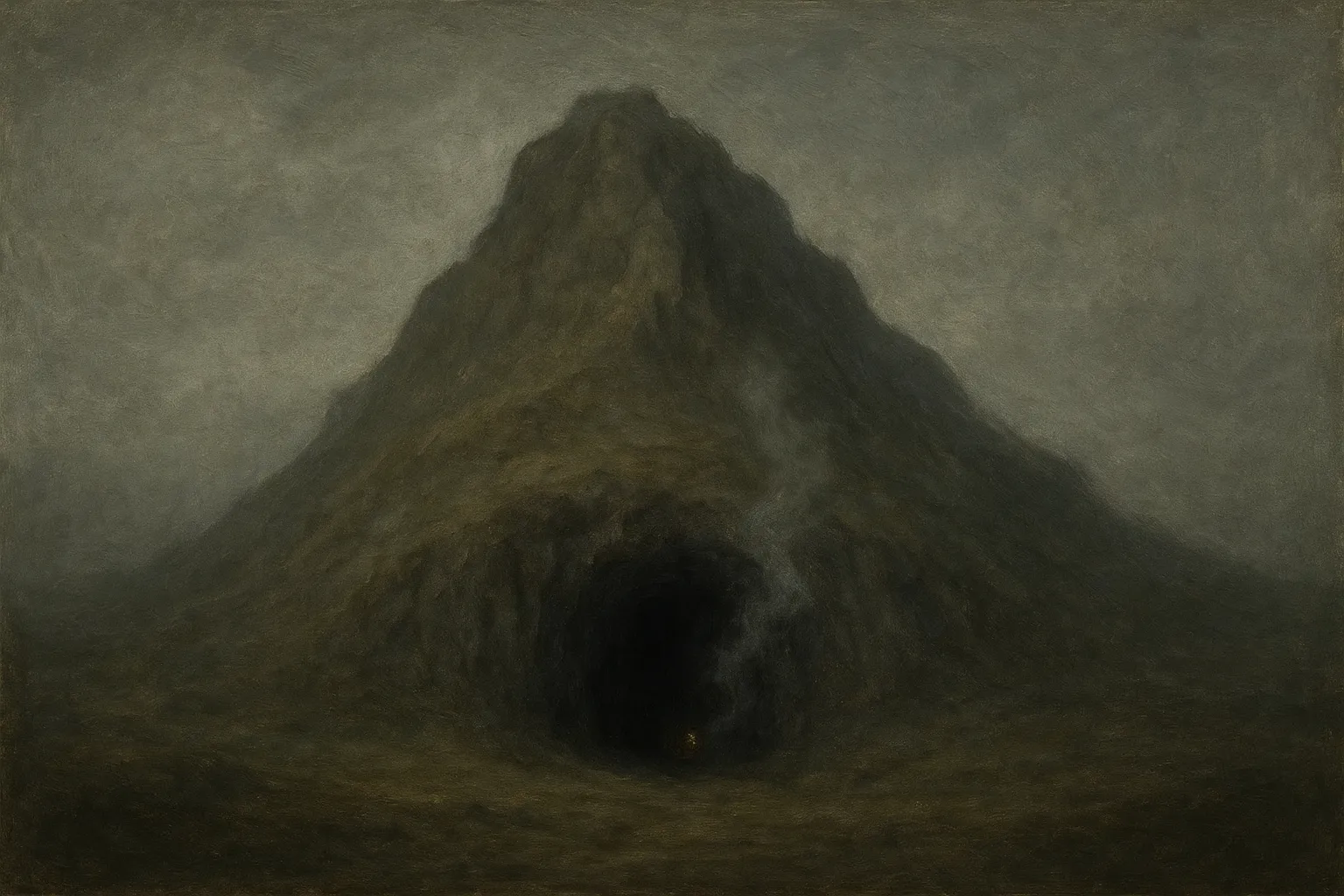
I started a podcast. It’s called Liminal Time. Social field recordings. Conversations with people I find interesting.
So far I’ve spoken to a plasma physicist and a cybersecurity researcher. Coming up: a former Cabinet Office official, a composer, a former vicar, someone involved in Falklands War planning, and others. These are people I already know are fascinating. I know these conversations will be valuable on their own terms - things I’ll remember when I’m old.
It doesn’t feel like work. It feels like collecting treasure.
I’ve noticed the same thing with AI-assisted coding. Steve Yegge published a piece this week arguing that AI is draining people - an “energy vampire.” He’s proposing a three to four hour workday because the cognitive load is unsustainable.
I feel the opposite. The more I use these tools, the more energy I have. I’ve never worked this hard or been anywhere near as productive, but I don’t feel drained. I feel like I’m on an exciting quest.
Someone I know nearly triggered a manic episode using AI agents to write code. They hadn’t skipped meds, hadn’t been going through anything unusual - they were just predisposed, and the feedback loop set them off. You get faster, your activation energy for further improvements drops, so you make them and go even faster. The models improve in the meantime. There’s a sense of infinite acceleration.
For me that’s exciting, but only in a limited way. For my friend it was almost dangerous. Same stimulus, different response - but both responses were intensely positive, not draining.
Why does this stuff feel so good?
I keep coming back to the Hero’s Journey. Joseph Campbell’s observation that the same story structure appears across all human cultures - the call to adventure, the ordeal, the treasure, the return. It suggests something about the selection pressures we evolved under. Our motivational systems were tuned for a certain shape of problem.
It’s funny that modern economic life maps so well to this. Pursuing a doctorate and climbing a career ladder shouldn’t feel like hunting a mammoth or slaying a dragon. But it does. The reward systems light up. Hobbit leaves home, confronts Smaug, returns with treasure. Oddly familiar.
Recording with Oliver Farnham, I found myself saying we’re lucky AI-assisted work turns out to be highly engaging - almost addictive. It could have been like the software equivalent of cleaning toilets or breaking up bar fights. Jobs people do for money, not recreation. Instead it scratches something primal.
This is an underappreciated tailwind for AI adoption. It’s not just productivity gains. The work itself is motivationally resonant in a way that maps to ancient reward systems. People are gleefully working long hours and checking on their agents before bed - out of excitement, not duty.
There’s a certain amount of mourning going on for software as a practice. The models are enveloping coding and parts of the design process. But we’re lucky that what remains is the interesting part - the quest, the decisions, the treasure. Not the tedium.
The podcast feels the same way. Additional work I’m choosing to do, but it doesn’t feel like work at all. An exciting quest where I’m collecting things that are extremely valuable on their own terms.